



Annoyed by a near-constant stream of spam calls and texts inquiring about property, soliciting sales or trying to collect an alleged outstanding balance?
Two greater Detroit-area legislators are working to change that, unveiling legislation this week that offers needed reforms, protects residents and positions Michigan to cut down on this rapidly growing nuisance.
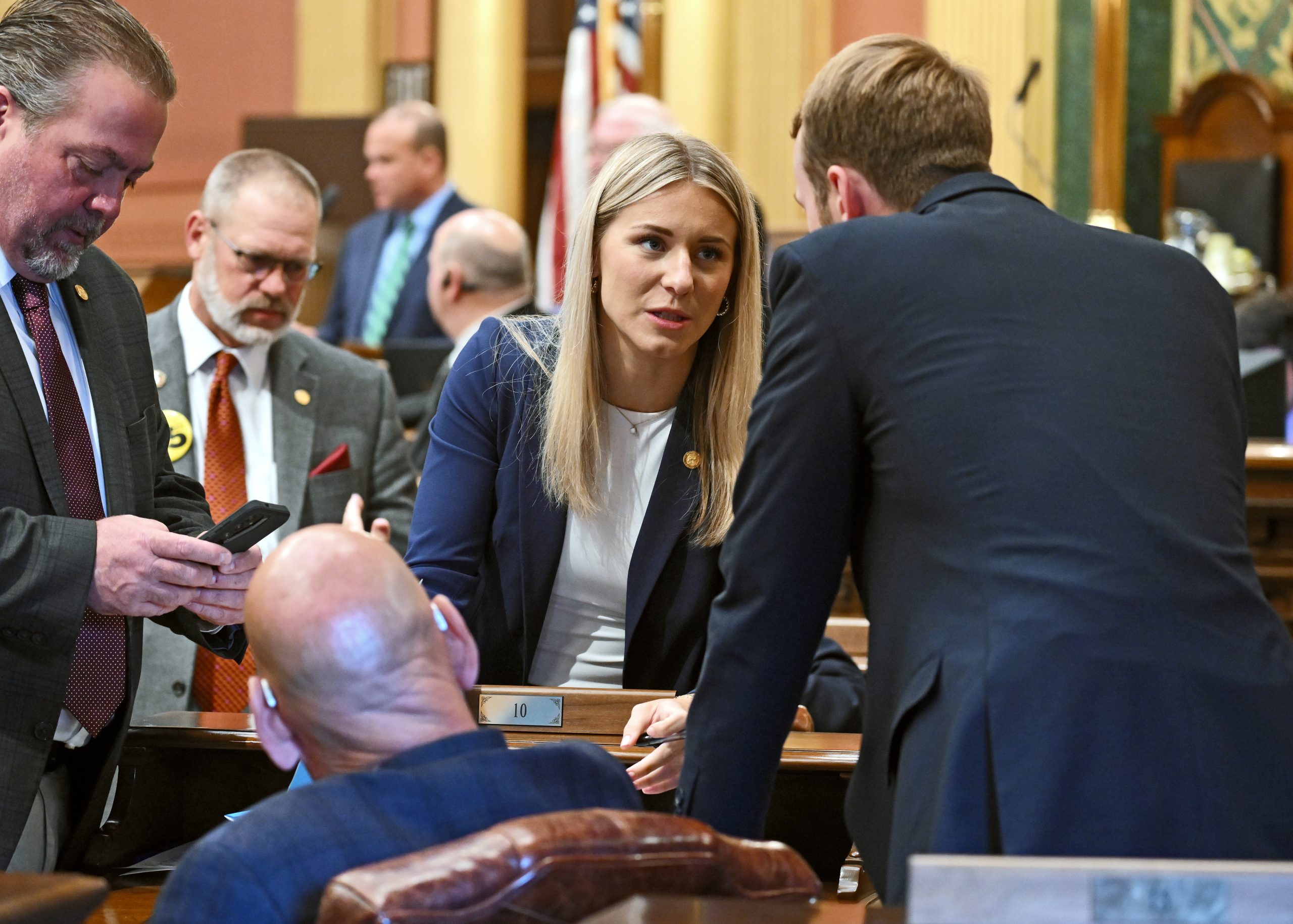
State Reps. Rylee Linting and Joe Aragona introduced House Bills 6393-94, which create a framework to restrict autodialed, recorded and AI voice sales calls and texts by requiring prior written consent. The plans honor the national Do-Not-Call Registry maintained by the Federal Trade Commission and create a permitted contact window from 8 a.m. to 9 p.m.
“A vast majority of people can agree – phone solicitation is out of control and we’re at a point where enough is enough,” said Linting, of Wyandotte. “Not only is it bothersome in general, it’s often misleading or predatory and takes advantage of our most vulnerable residents. This plan offers needed oversight to rein in spam calls and texts, provides protection for consumers and respects people’s privacy.”
“People should not have to repeatedly deal with automated sales calls and messages simply because technology has made it easier and cheaper for companies to reach thousands of people at once,” Aragona said. “I’m just as frustrated by these calls as anyone else.”
The plans provide exceptions for emergencies, package deliveries, fraud alerts, healthcare reminders and operations by nonprofits.
Complaints and potential violations can be referred to the state Attorney General, where civil fines of up to $500 could be imposed. The state Attorney General’s office will also be required to submit information to the Legislature each year regarding the amount of complaints it is receiving regarding solicitation calls, the number of cease-and-desist letters it is sending out, how many violators have been fined, and more to ensure there is substance behind this new approach and the state is doing its part to curtail the problem.
“Let’s give consumers a clearer way to report violations and give the state a way to measure whether the law is actually being enforced. Legitimate businesses and organizations should still be able to reach people when there is a valid reason to do so, but unwanted automated sales calls and messages should not have a free pass,” Aragona said.
Many telemarketing entities, illegal robo-callers and scammers exist through overseas locations or exploit legal loopholes to skirt existing written consent rules. Some use multi-party or comparison-shopping websites to trick consumers into checking a hidden box, which can grant blanket consent to dozens of different companies at once.
According to reports, Americans received over 4 billion robocalls in July alone and upwards of $30 billion is procured through phone scams each year in the United States.
“These calls have real ramifications for people we all represent and strong deterrents and penalties need to be in place,” Linting said.
HBs 6393-94 have been referred to the House Regulatory Reform Committee for consideration.




© 2009 - 2026 Michigan House Republicans. All Rights Reserved.
This site is protected by reCAPTCHA and the Google Privacy Policy and Terms of Service apply.